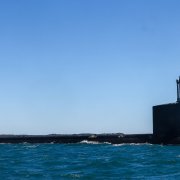
AUKUS at Five: Progress, Challenges, and the Way Forward
September 17, 2026 • 8:00 – 9:00 am EDT
Hosted by Australia Chair
Amid a rapid shift in the global balance of power, CSIS offers practical solutions to the hardest national security strategy questions. CSIS’s defense and security research covers issues including traditional missile defense, nuclear weapons, aerospace security, irregular threats, democratic institutions, and the use of AI and critical minerals in defense technologies.

Photo: Guse/Adobe Stock
Commentary by Justin Sherman — September 16, 2026

Critical Questions by Nikita Shah — September 16, 2026

Blog Post by Nina Gohel — September 11, 2026

Commentary by Riley McCabe — September 10, 2026

Podcast Episode by Seth G. Jones and Daniel Byman — September 11, 2026

Podcast Episode by Jerry McGinn — September 8, 2026
Podcast Episode by Seth G. Jones — September 4, 2026
Podcast Episode by Seth G. Jones — August 19, 2026

Photo: CSIS

Photo: CSIS

Photo: CSIS

Photo: CSIS

Photo: CSIS

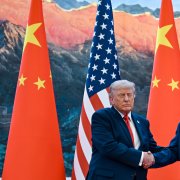
Photo: SAUL LOEB/AFP via Getty Images

Photo: CSIS

Photo: CSIS







Event — September 25, 2026
Event — September 24, 2026
Event — September 18, 2026
Event — September 17, 2026
Event — September 17, 2026
Event — September 17, 2026
Commentary by Justin Sherman — September 16, 2026
Critical Questions by Nikita Shah — September 16, 2026
Event — September 15, 2026
Podcast Episode by Seth G. Jones and Daniel Byman — September 11, 2026